Our Activities


Seminar on RTE Act
BADC, Balasore, Odisha | 3rd & 4th March 2025
Proceeding report on the seminar titled "Role of Panchayati Raj Institutions on Protection of the Children's Fundamental Rights as per Enshrined under the Right to Free and Compulsory Education Act, 2009 during Pandemics in India."
Date: 3rd & 4th March 2025
Venue: Conference Hall of Zilla Parishad,
Balasore, Odisha
Funding Agency & Programme: National
Institute of Educational Planning and Administration, New
Delhi
Organized by: BADC (Basti Area Development
Council), Sovarampur, Balasore, Odisha, Pin-756001
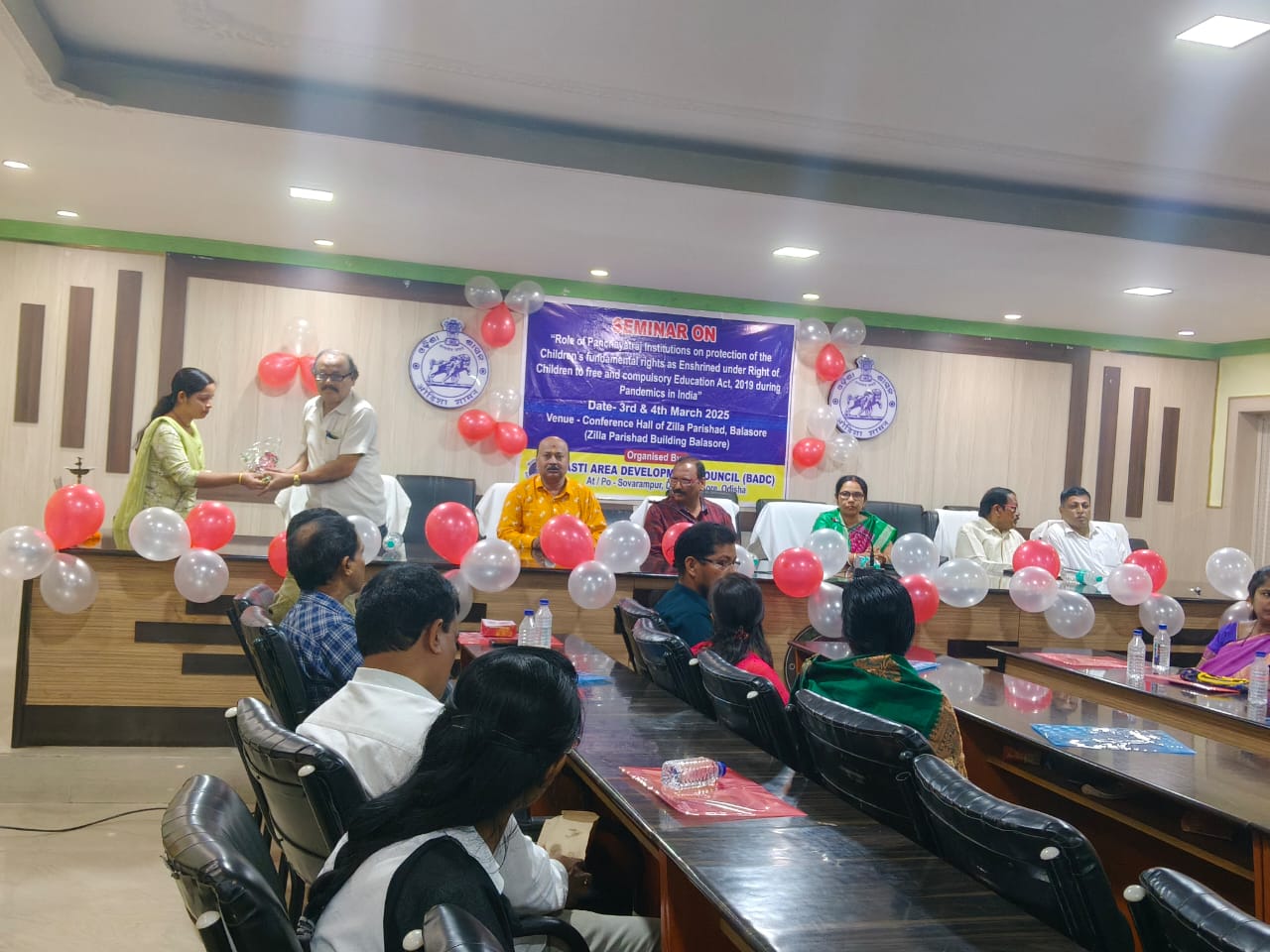
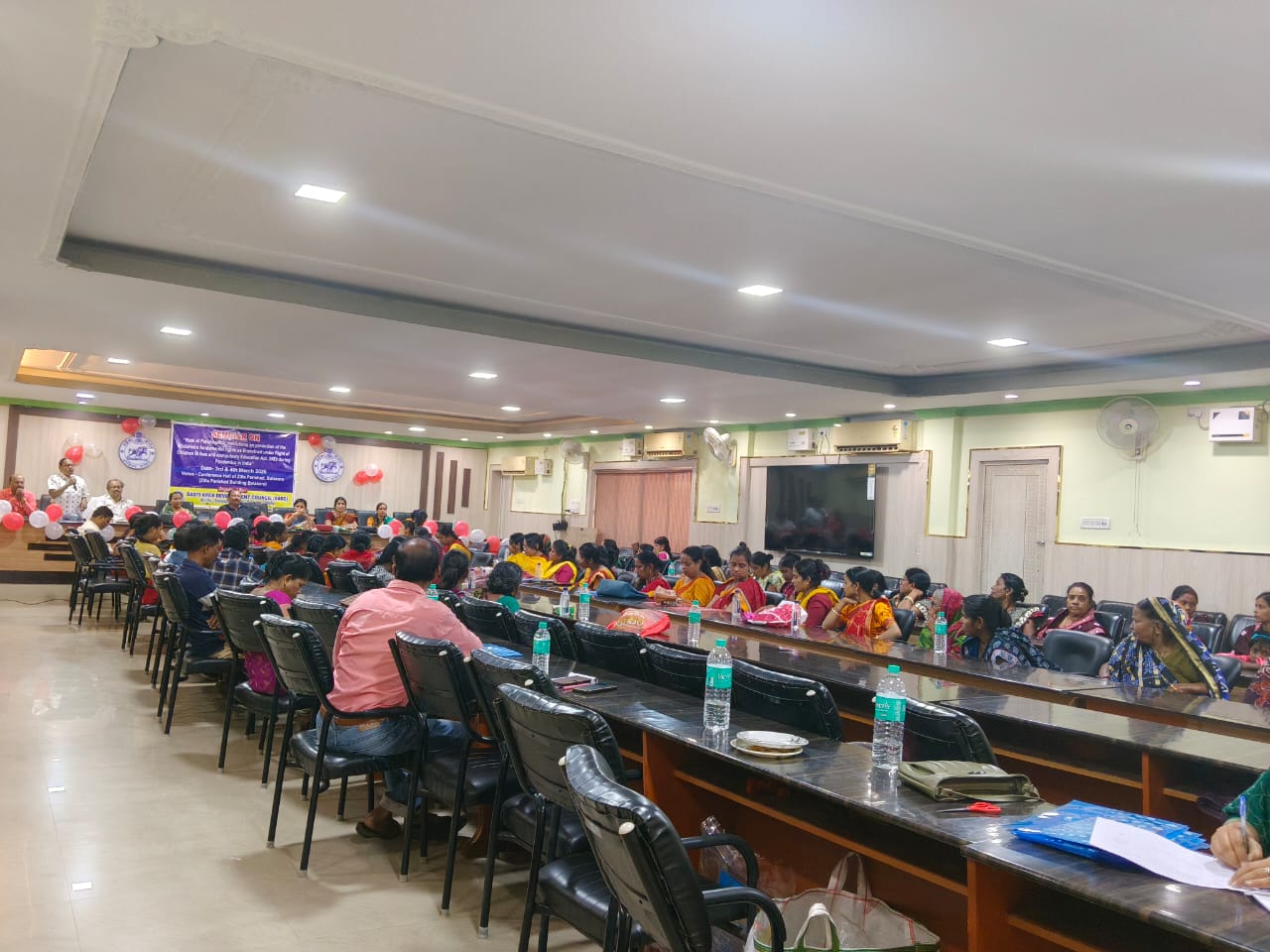
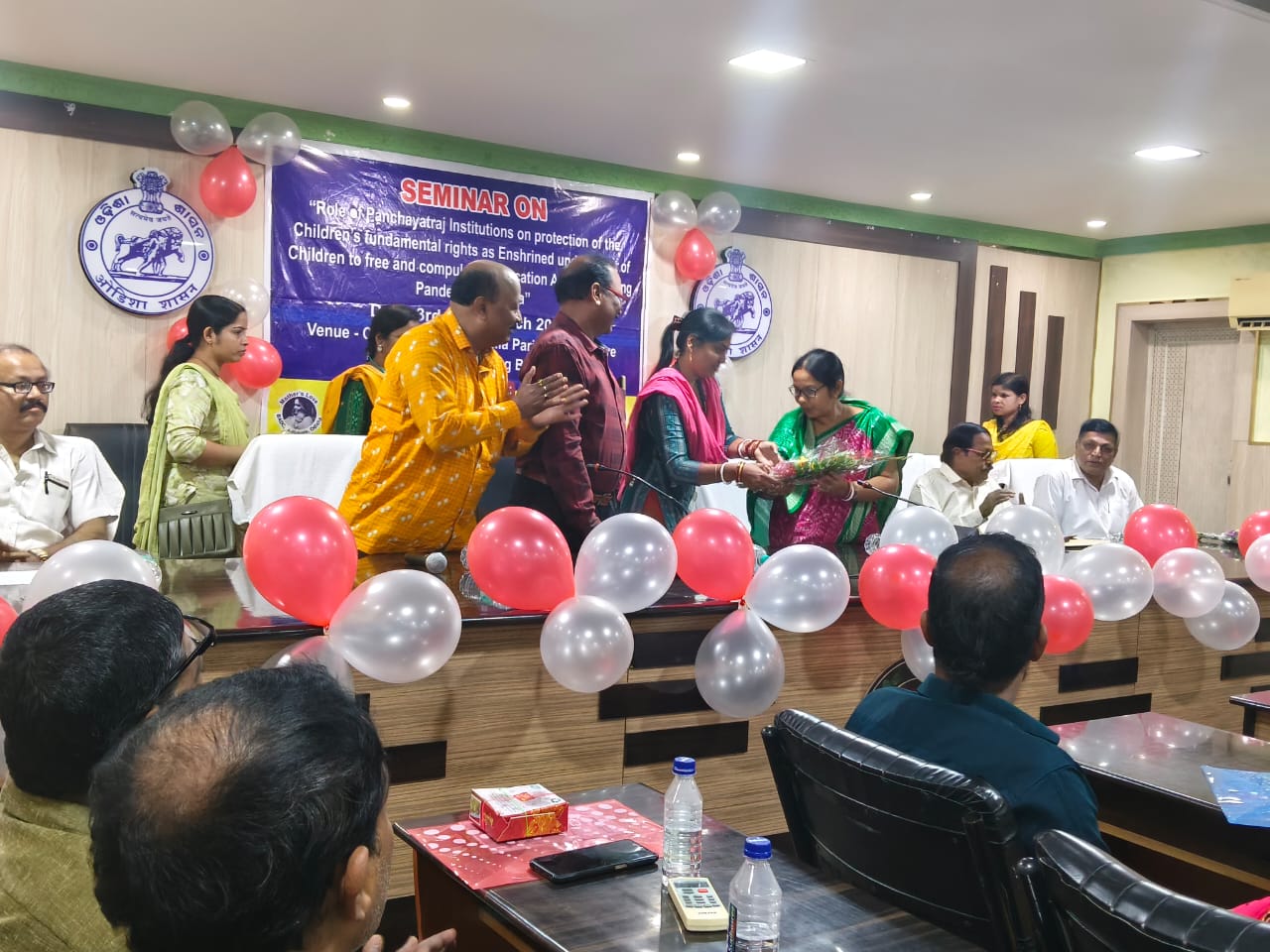
The Guests and Dignitaries, Resource Person are being welcomed by Flower bouquet by the staff of BADC.
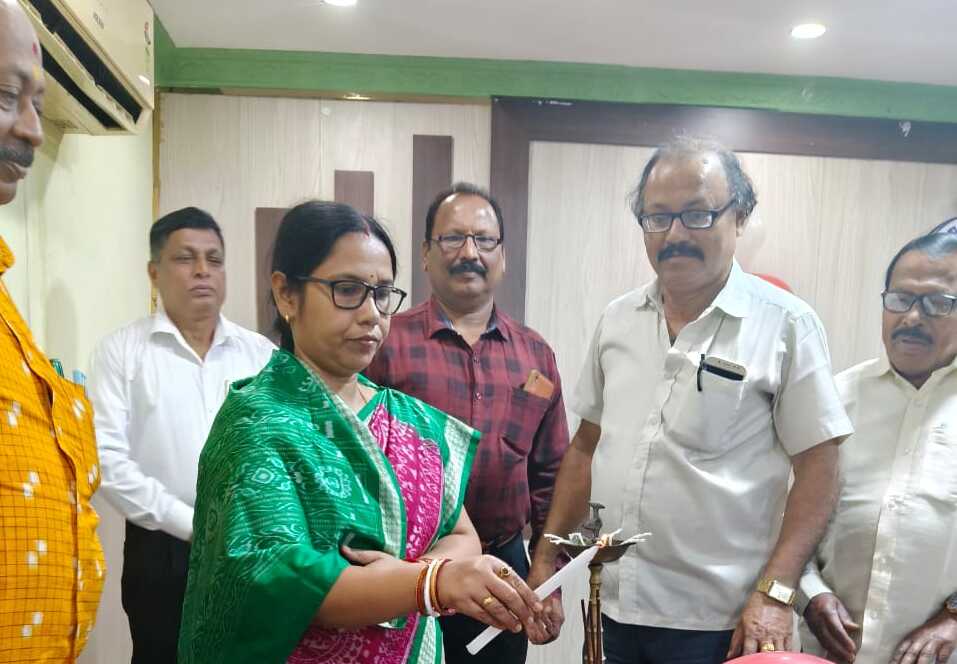
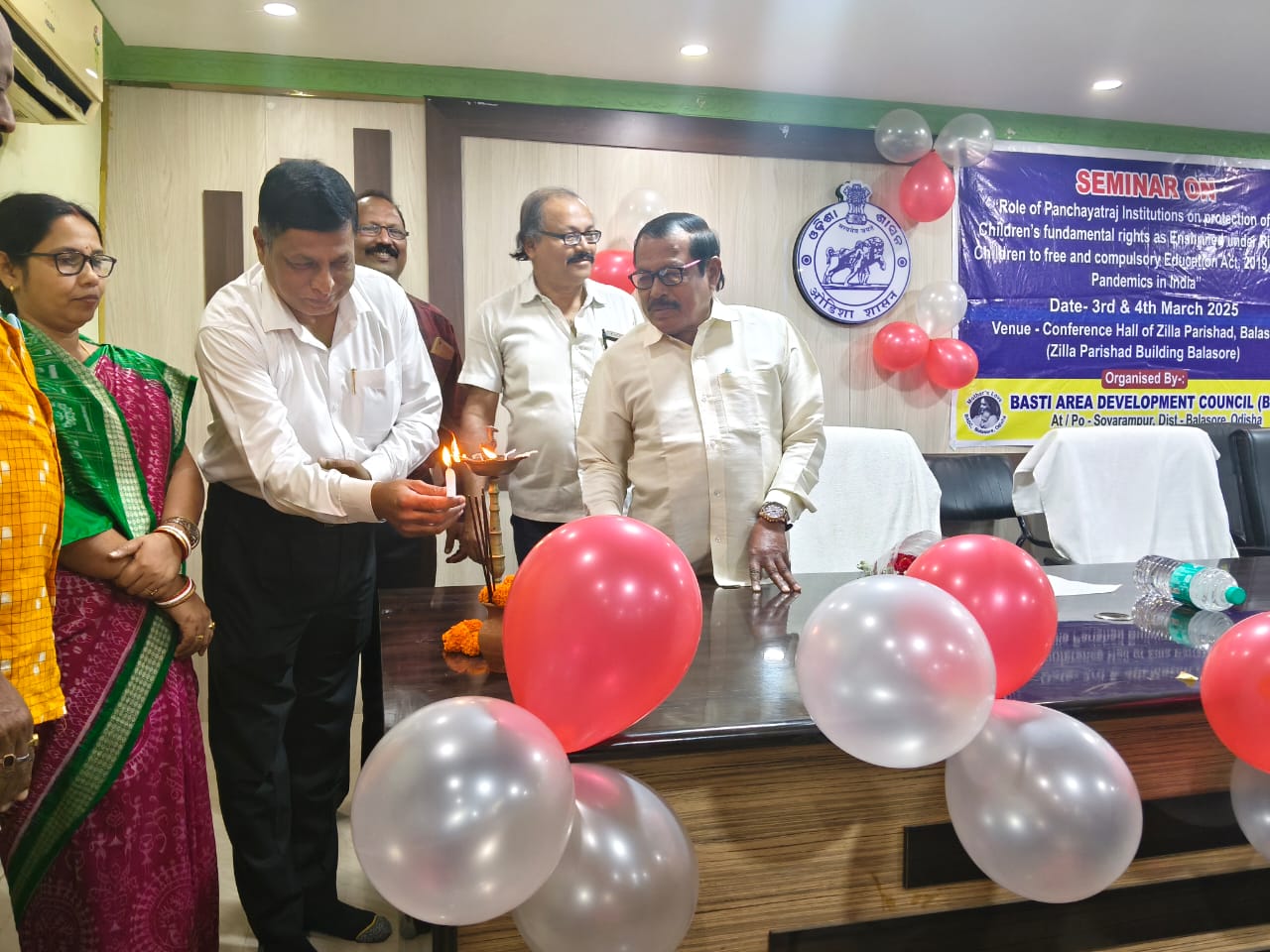

Smt. Anusaya Pradhan – Vice President, Zilla Parishad, Balasore (Highest structure of PRI system) inaugurating the Two days Seminar by Lighting the Lamp & other Guests, Dignitaries, Resource persons are Present.
Basti Area Development Council (BADC) is a non-profit, non-political, non-religious voluntary organization dedicated to working for the poor and disadvantaged. This seminar was organized to address challenges and propose actionable solutions for the implementation of the Right to Education Act.
Significant developments in Indian education during the 11th Five Year Plan have led to improved enrollments and infrastructure. However, the COVID-19 pandemic revealed critical weaknesses in the education system, particularly in rural areas. The seminar focused on these issues, emphasizing the role of Panchayati Raj Institutions (PRIs) in ensuring educational continuity.
Thus, this has crucial and direct relevance on monitoring, management, and implementation aspects of education policy in India which might get hampered during the above-mentioned emergencies.
However, due to the COVID-19 pandemic, which paralyzed the entire school system, there were significant challenges in implementing the Right to Education. The Panchayatiraj Institutions (PRIs) were largely helpless in fulfilling their responsibilities. Many parents lacked the financial means to support online learning, and the digital divide severely impacted rural and underprivileged students.
Though PRIs could have played a vital role during the pandemic, they remained passive observers. The primary objective of the seminar was to analyze and reinforce the provisions of the Right to Free and Compulsory Education Act, 2009, and to highlight the role of PRIs in ensuring its effective implementation at the grassroots level.
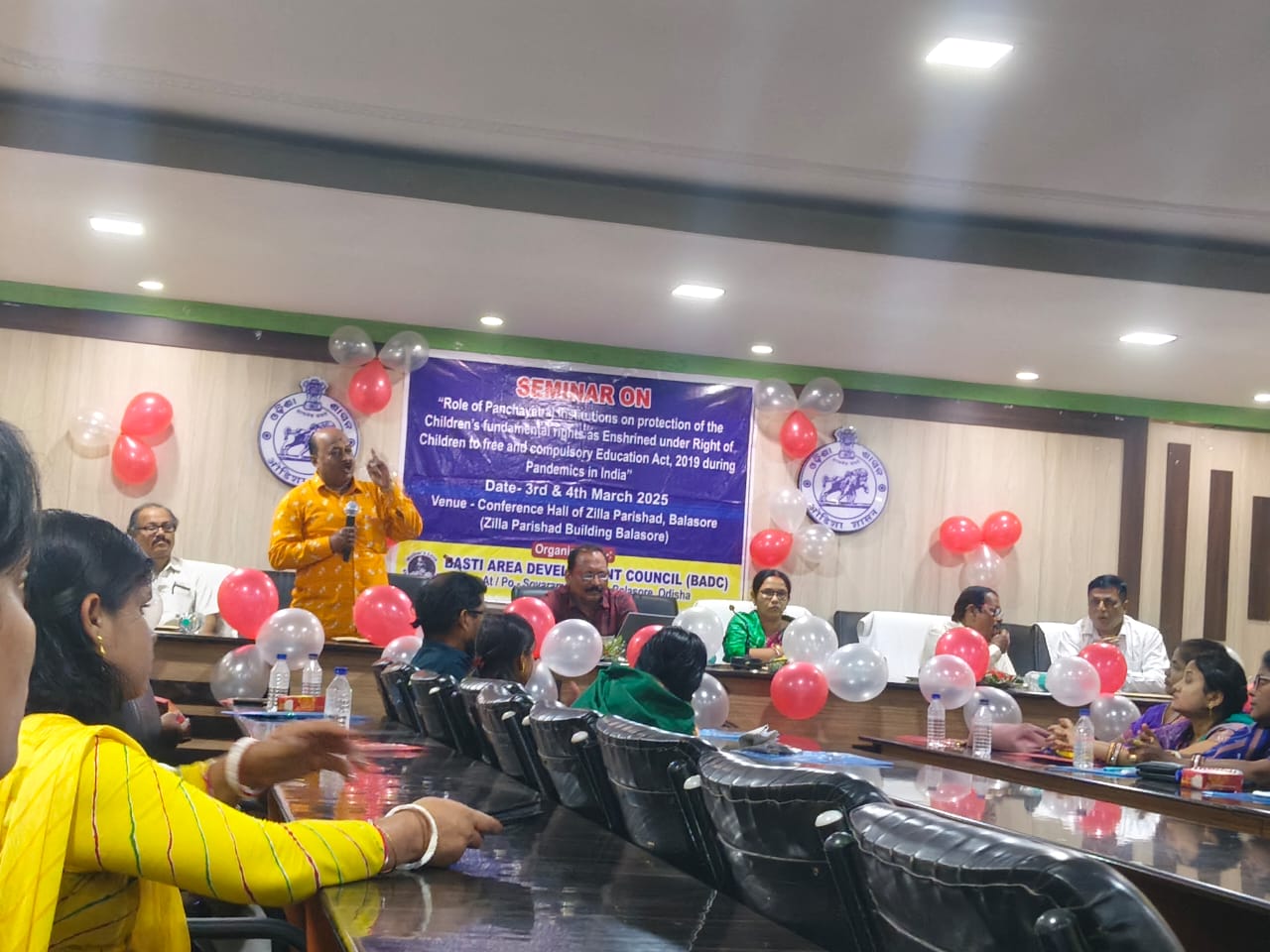
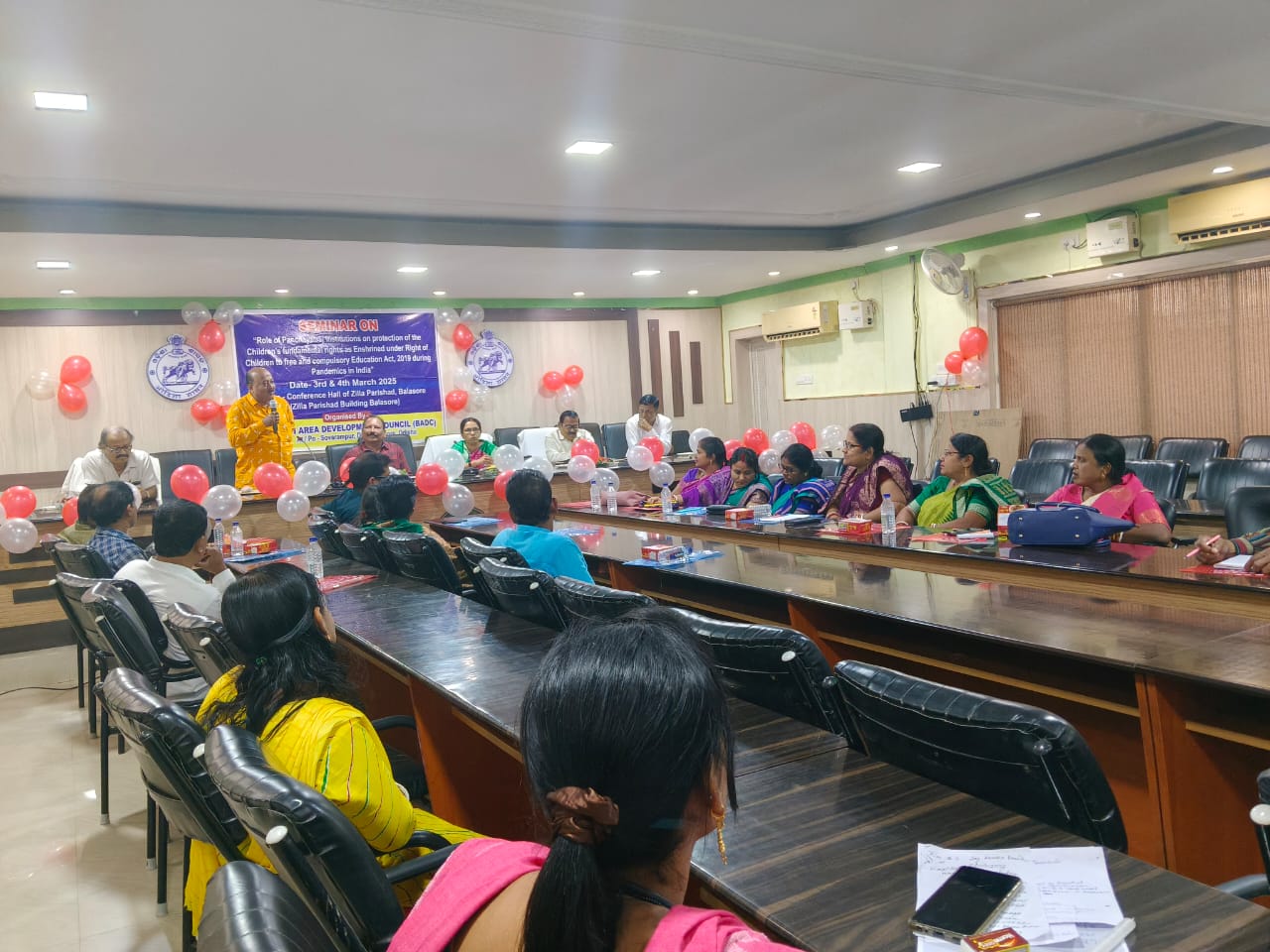
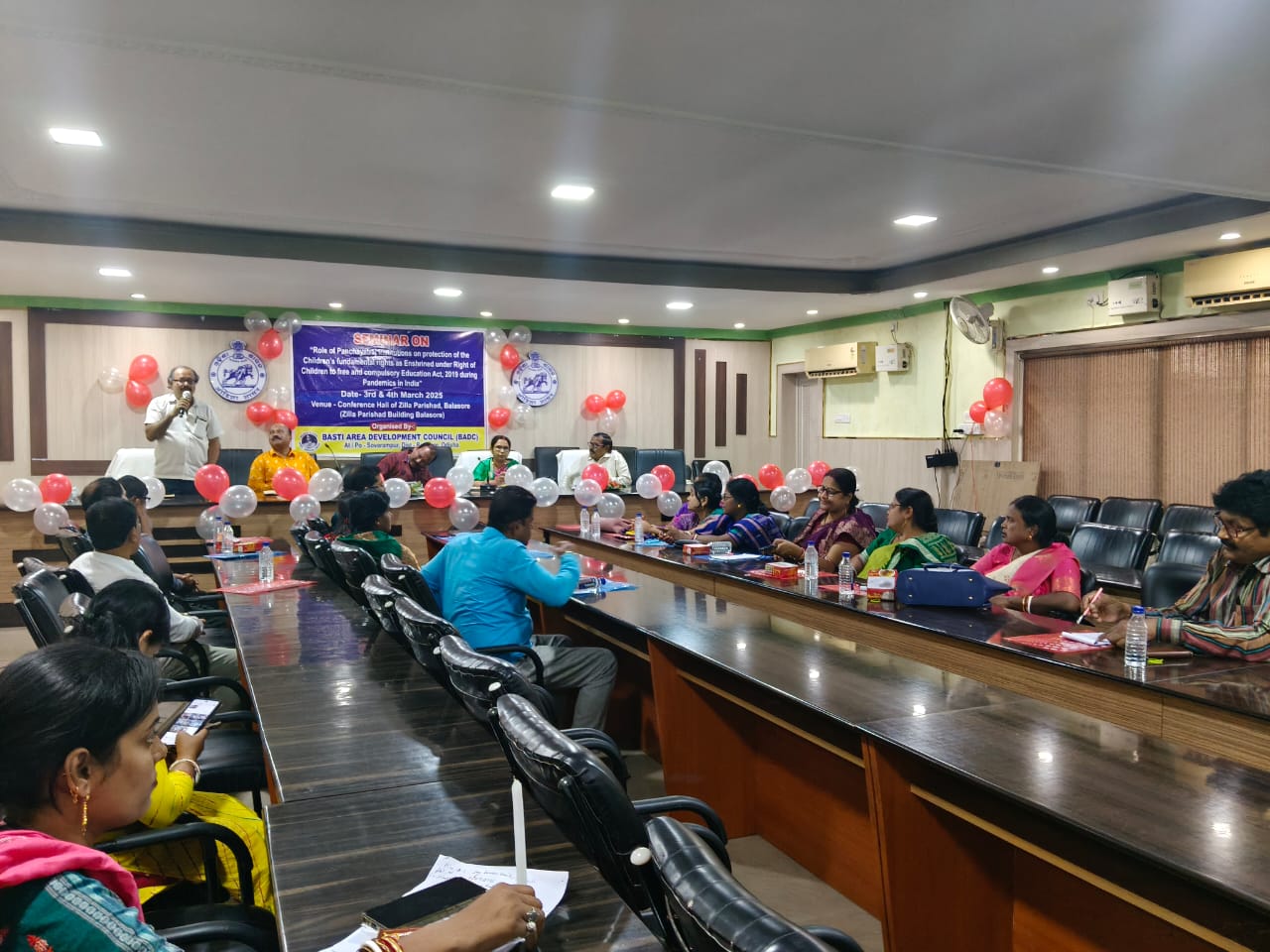
The inaugural session commenced at 10:00 am with registration completed prior to the event. Smt. Anusaya Pradhan, Vice President of Zilla Parishad, Balasore, inaugurated the seminar by lighting the ceremonial lamp.
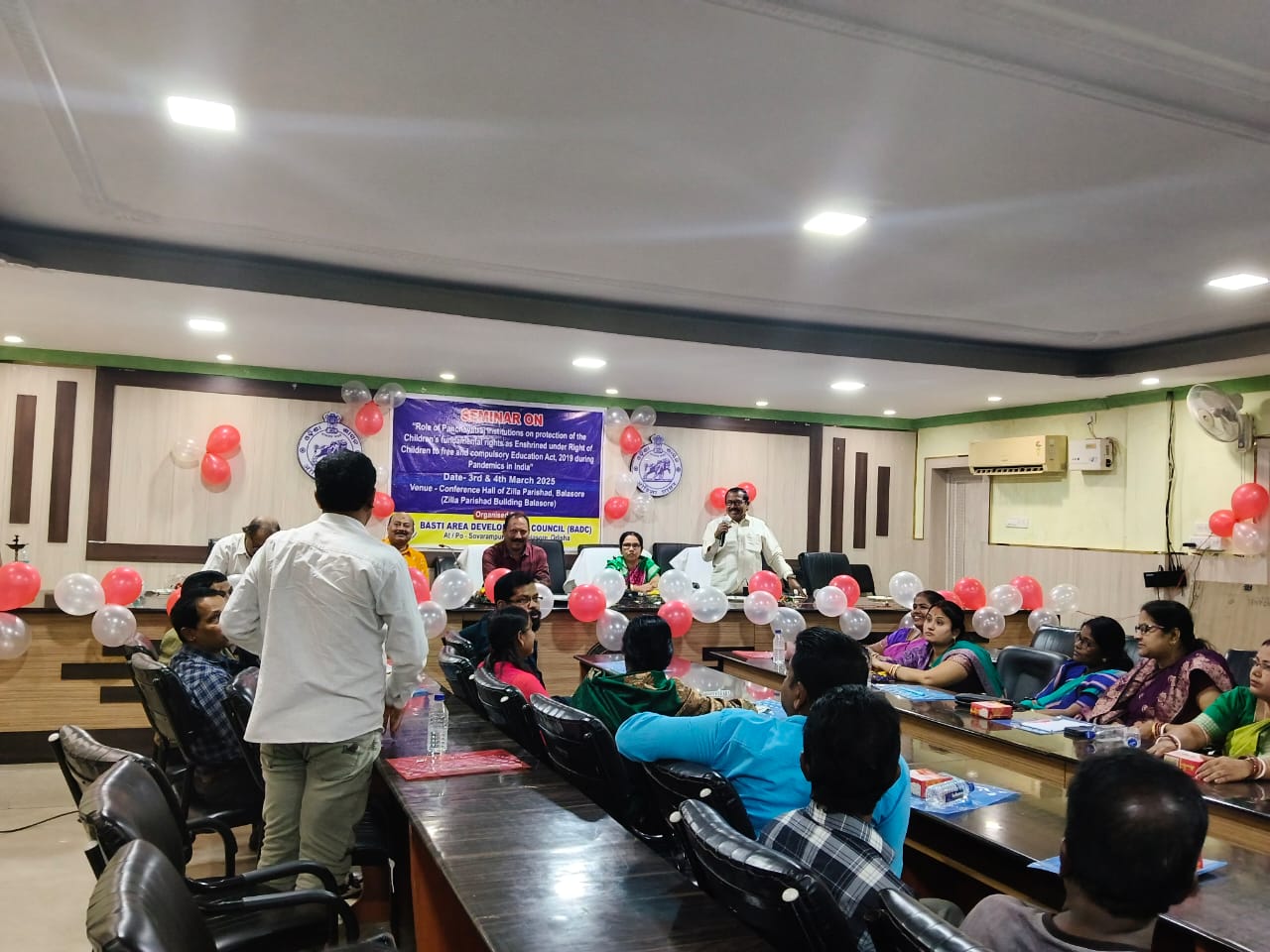
After Tea break again Plenary session started where Prof Satrughana Mallick :- Retd Professor present Member , Child Welfare Committee ( CWC) ,
Balasore Balasore has addressed on the topic of National Policy of Child Rights with context of Constitutional Mandate and presented a paper which copy was circulated to all participants Sri Gouranga Mohapatra – Resource person is addressing to the participants in Seminar
Discussion on educational improvements and challenges such as dropout rates, poor facilities, and disparities in education. Sri Gouranga Mohapatra emphasized:
Sri Girish Kumar Dutta discussed infrastructure and teacher shortages affecting RTE implementation. Highlighted states include Uttar Pradesh, Bihar, West Bengal, Jharkhand, Odisha, and Chhattisgarh.
Sri Harish Raj, Ombudsman & Ex-CWC Member, emphasized free and compulsory education as a constitutional right. Spoke on RTE implementation and required actions by state governments:
Stressed on infrastructure, training, and implementation gaps.
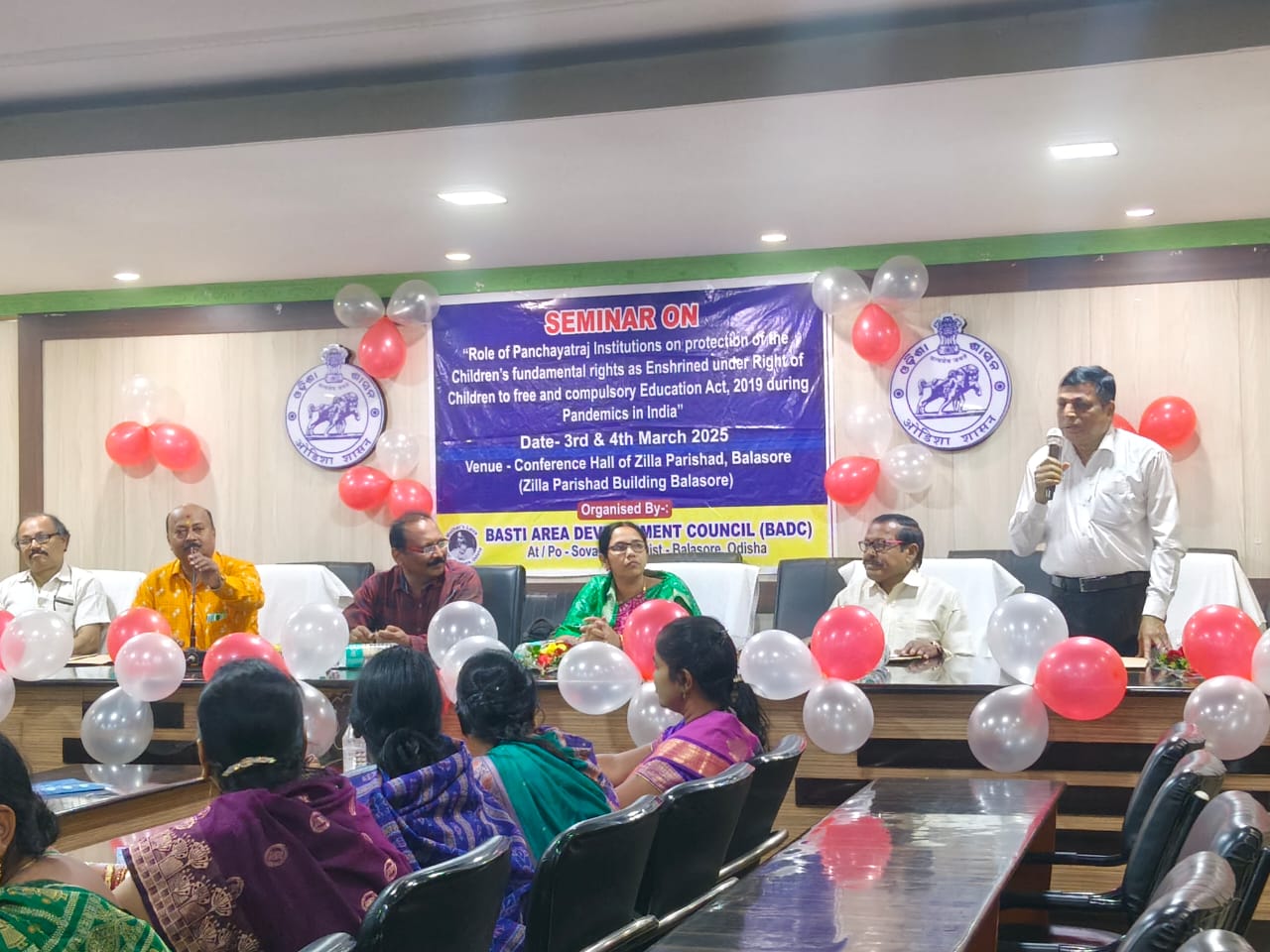
Sri Harish Raj – Ombudsman & Ex- Member Child Welfare Committee ( CWC) , Balasore addressing to the participants .
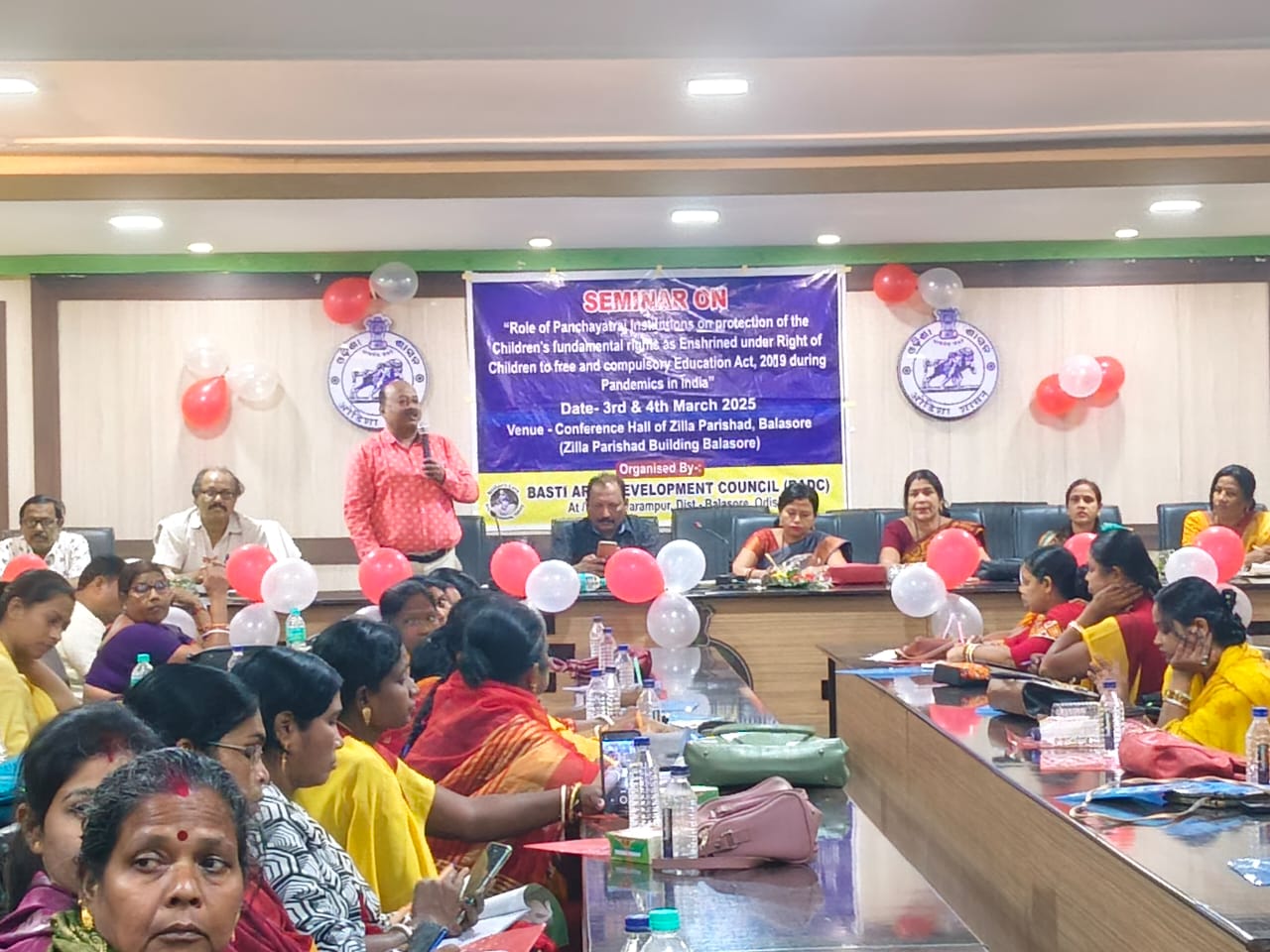
After recap of day-I summary & discussing Technical session started . Sri G. Kar- Secretary , BADC, Balasore is addressing to the participants about recap & guests, Dignitaries attended on 2nd day in the seminar .
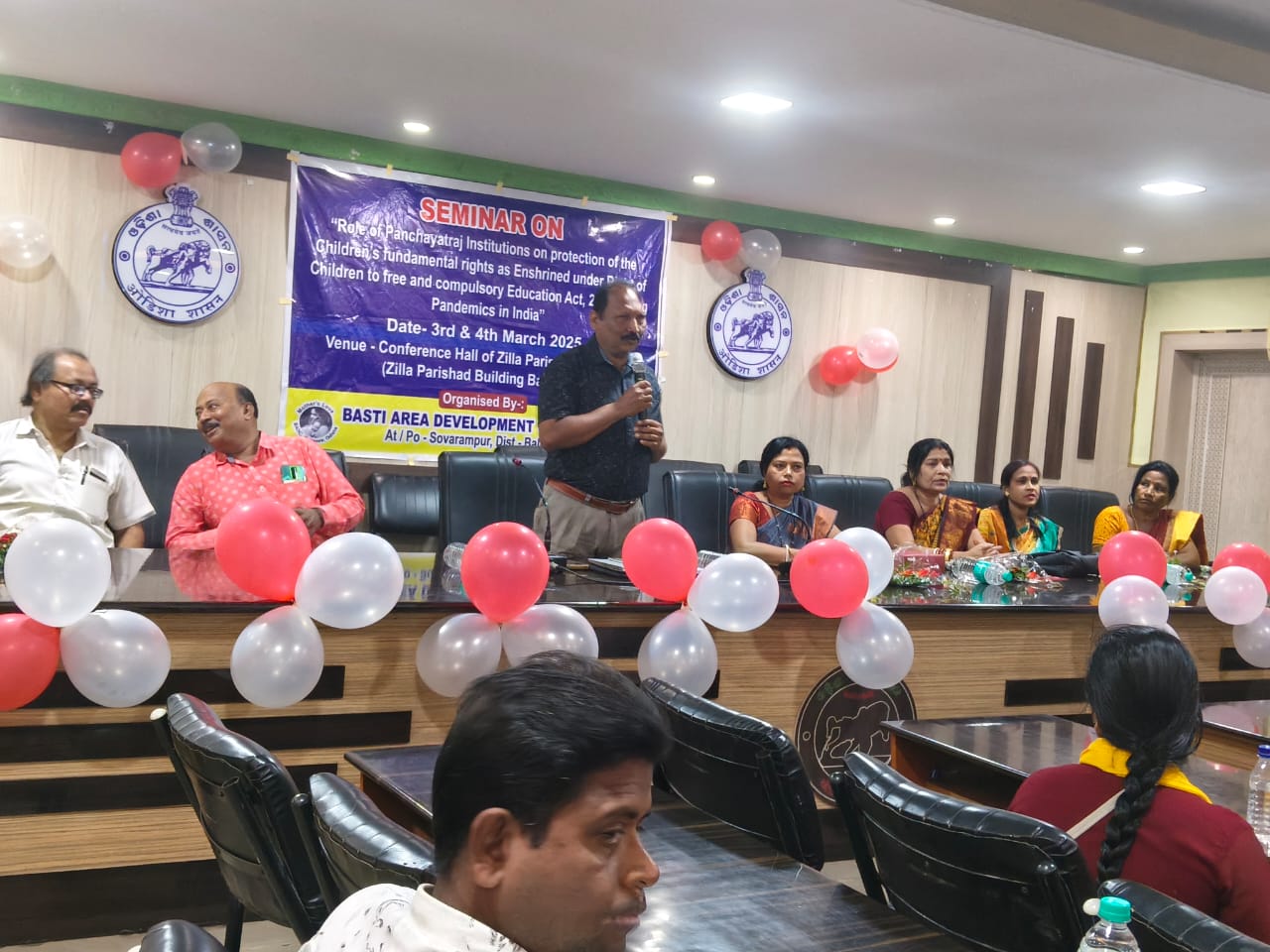
After recap of day-I summary & discussing Technical session started . Sri G. Kar- Secretary , BADC, Balasore is addressing to the participants about recap & guests, Dignitaries attended on 2nd day in the seminar .
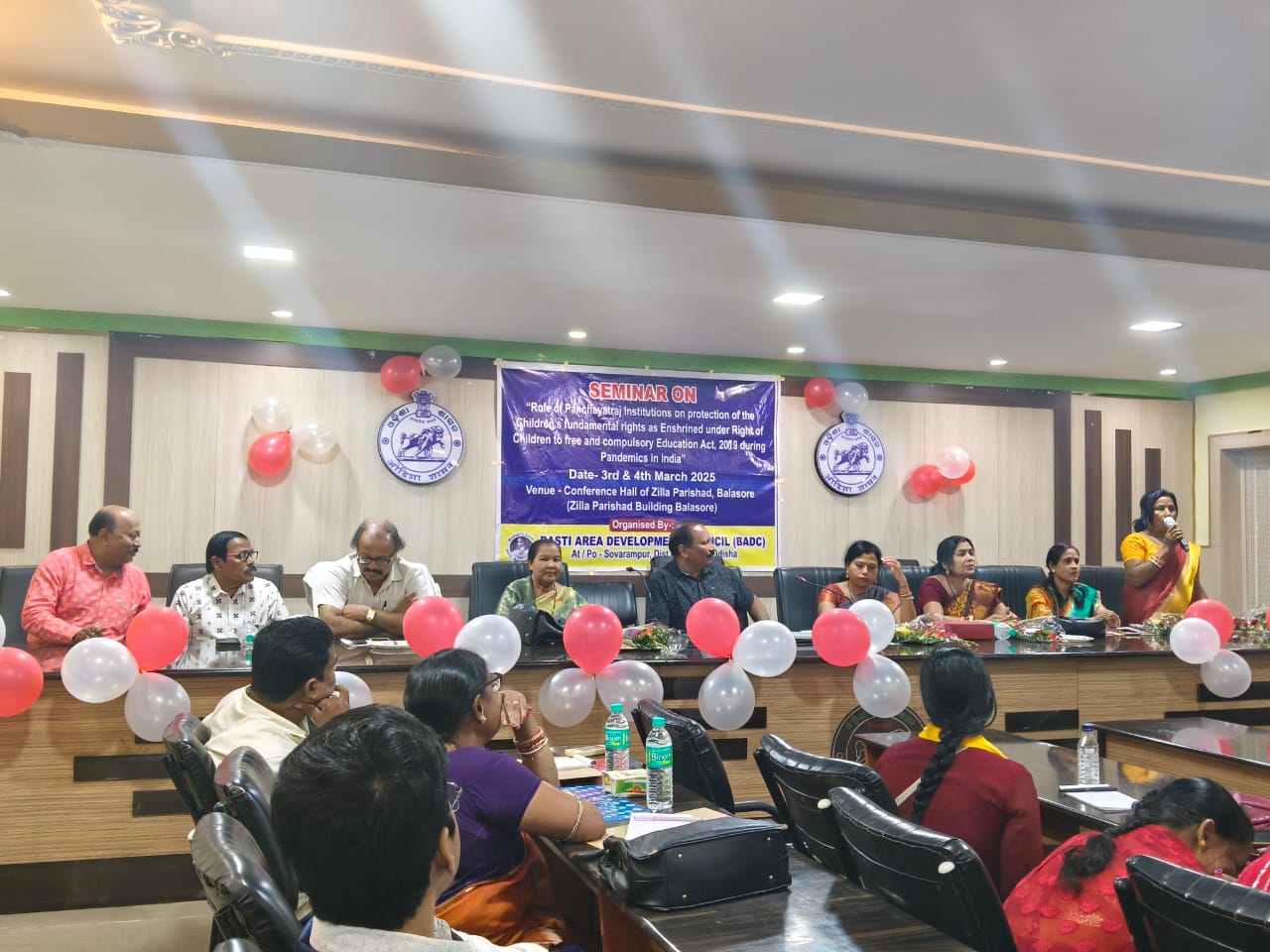
Smt. Gouri Nayak- Dy Collector & Dist. Social Welfare Officer , Balasore is addressing on 2nd day of Seminar

After recap of day-I summary & discussing Technical session started . Sri G. Kar- Secretary , BADC, Balasore is addressing to the participants about recap & guests, Dignitaries attended on 2nd day in the seminar .
PPT presentation by Sri Gouranga Mohapatra followed by a question-answer session with participants.
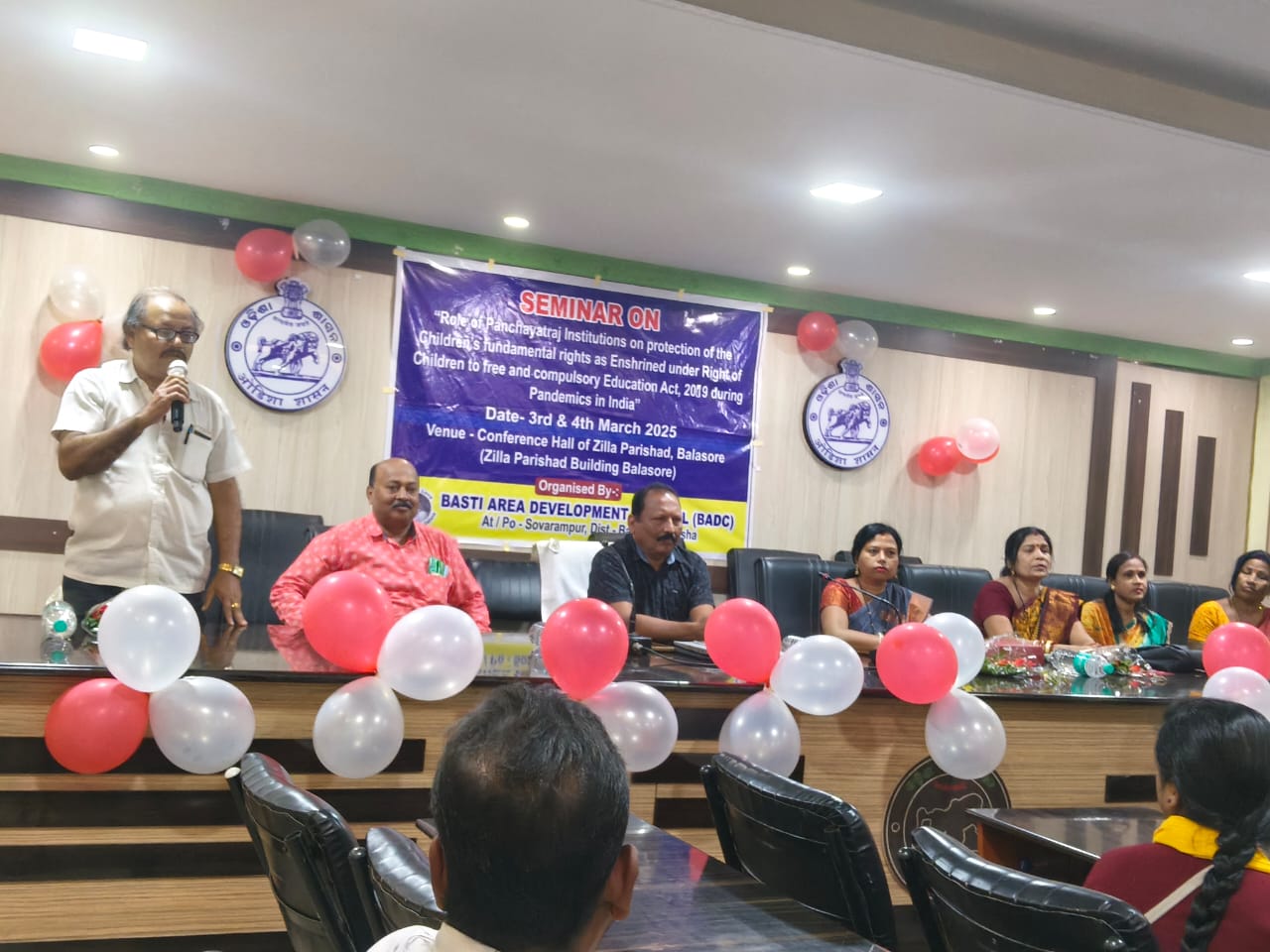
Si Girish LKumar Dutta - Member Zilla Parishad ( PRI member) is addressing to the participants on 2nd day of seminar and asking some questions to Resource person .
Sri Priya Ranjan Mohanty - Member Child Welfare Committee ( CWC ) , - Resource Person & Expert Balasore is addressing to the participants in seminar
Address by Sri Narayan Chandra Pradhan, President Zilla Parishad, Balasore, focusing on education development strategies. Key points:
Additional emphasis on:
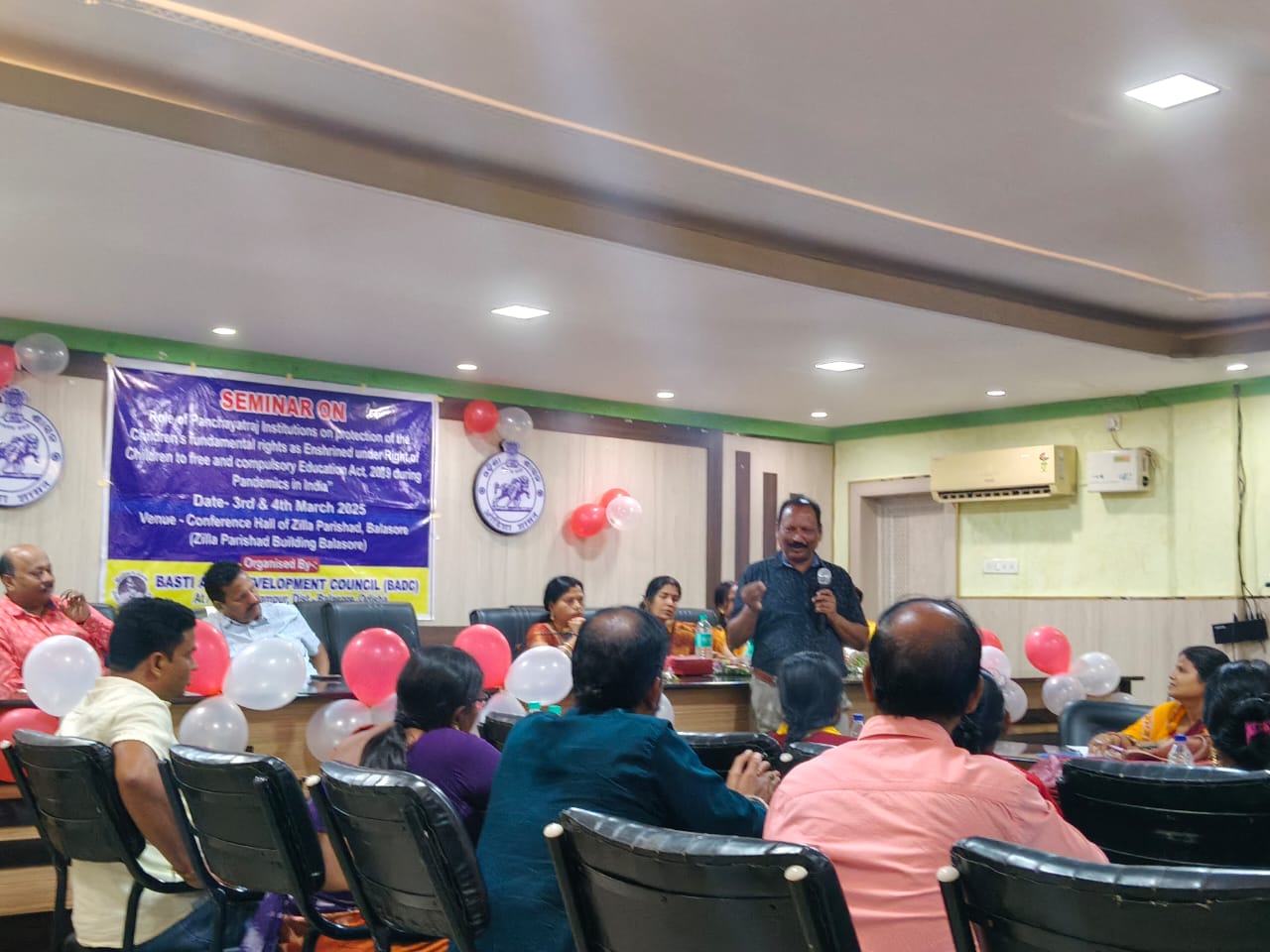
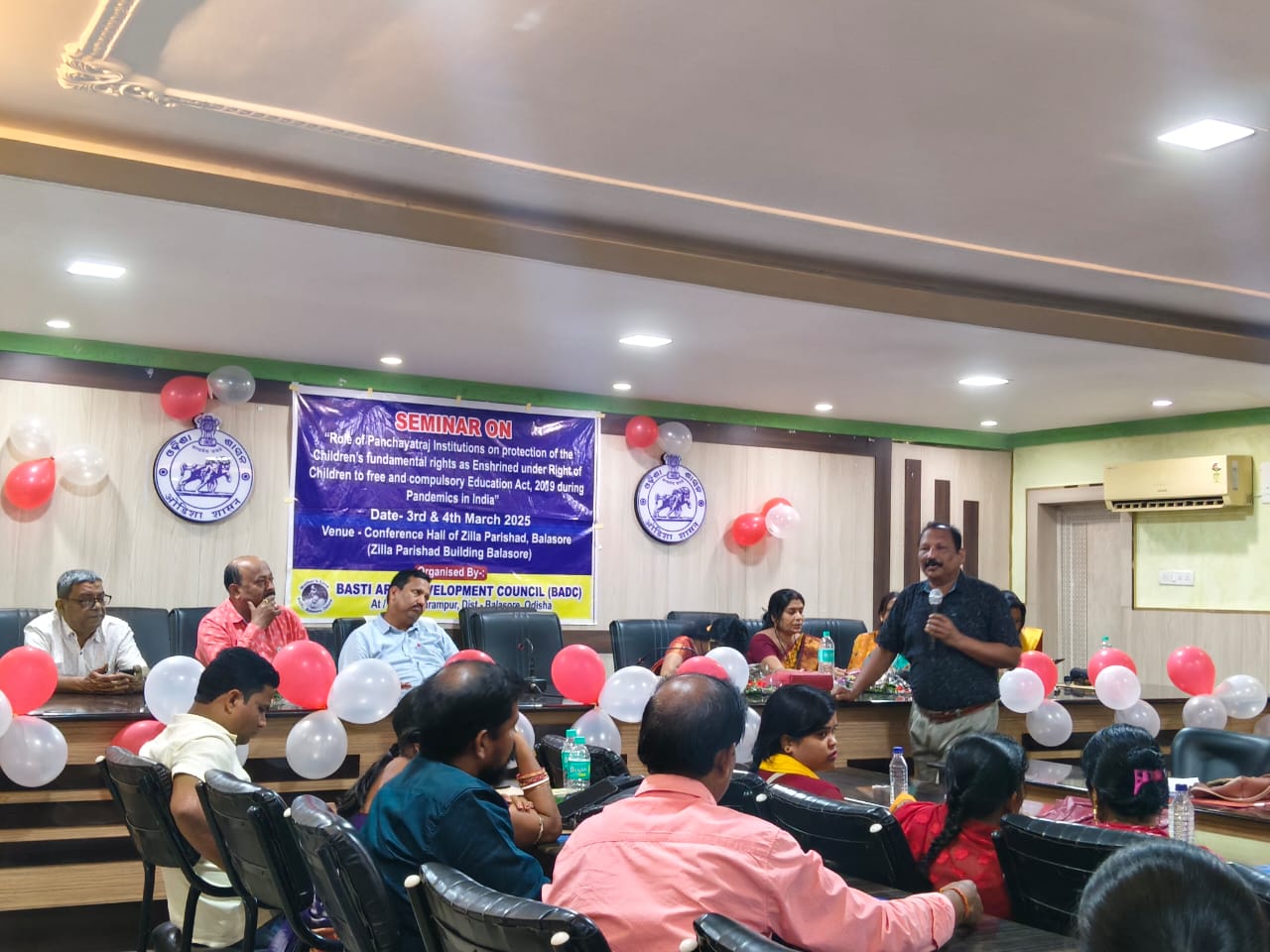
Sri Goranaga Mohapatra – Resource person is addressing through PPT presentation
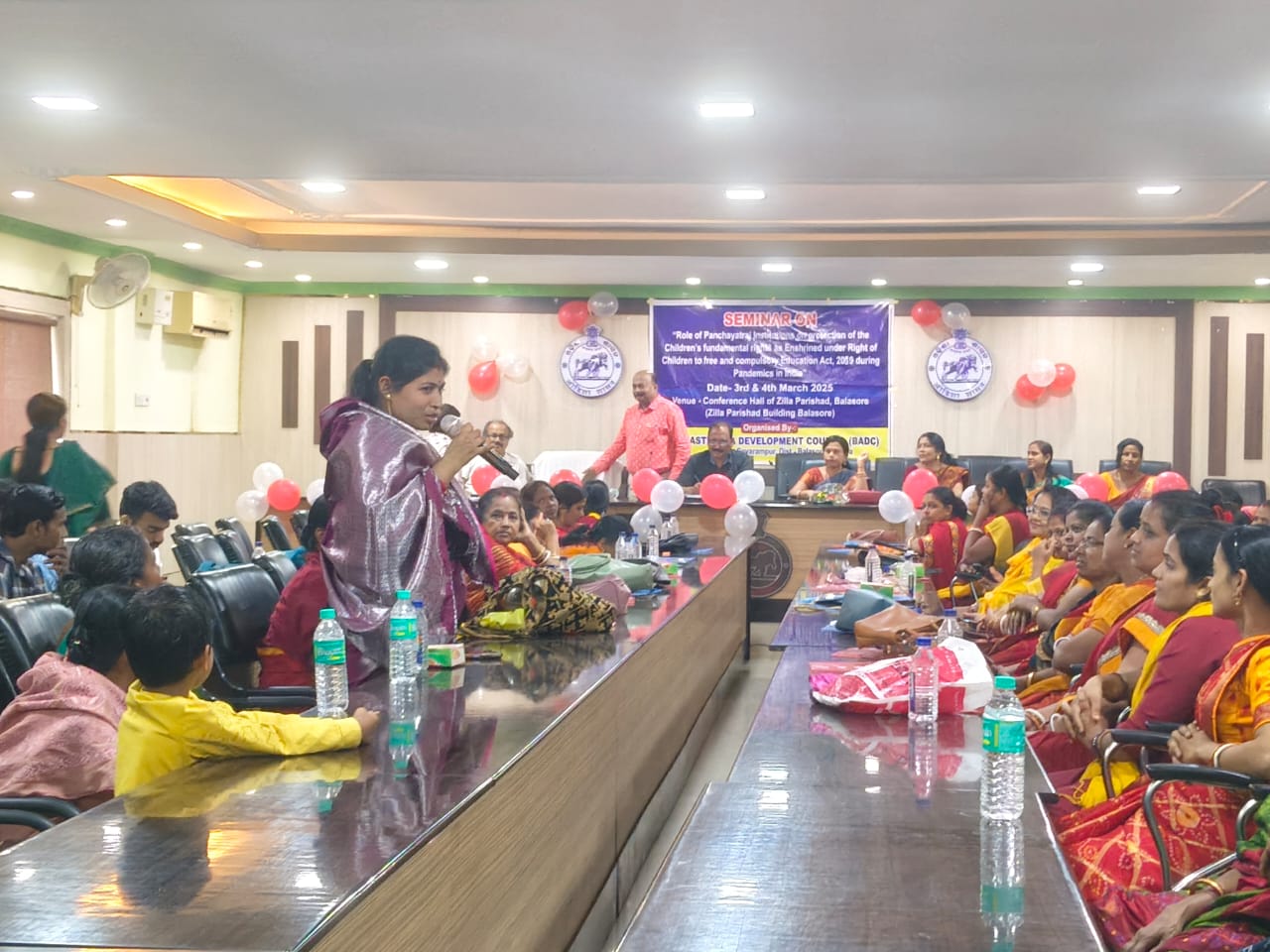
One of the AWW & SMC member of a school is asking question in question hour session to Resource Person & all participants are in Seminar .
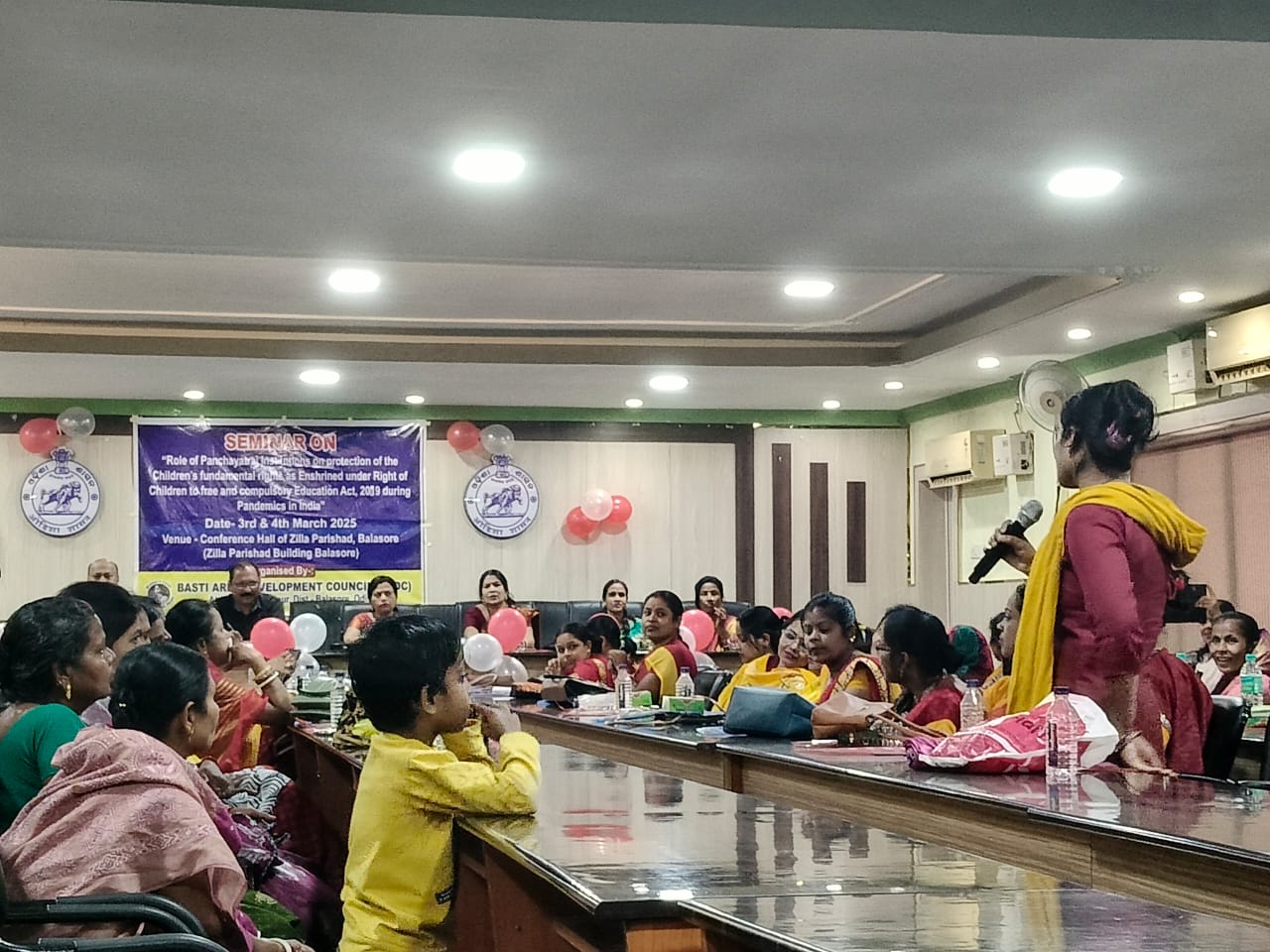
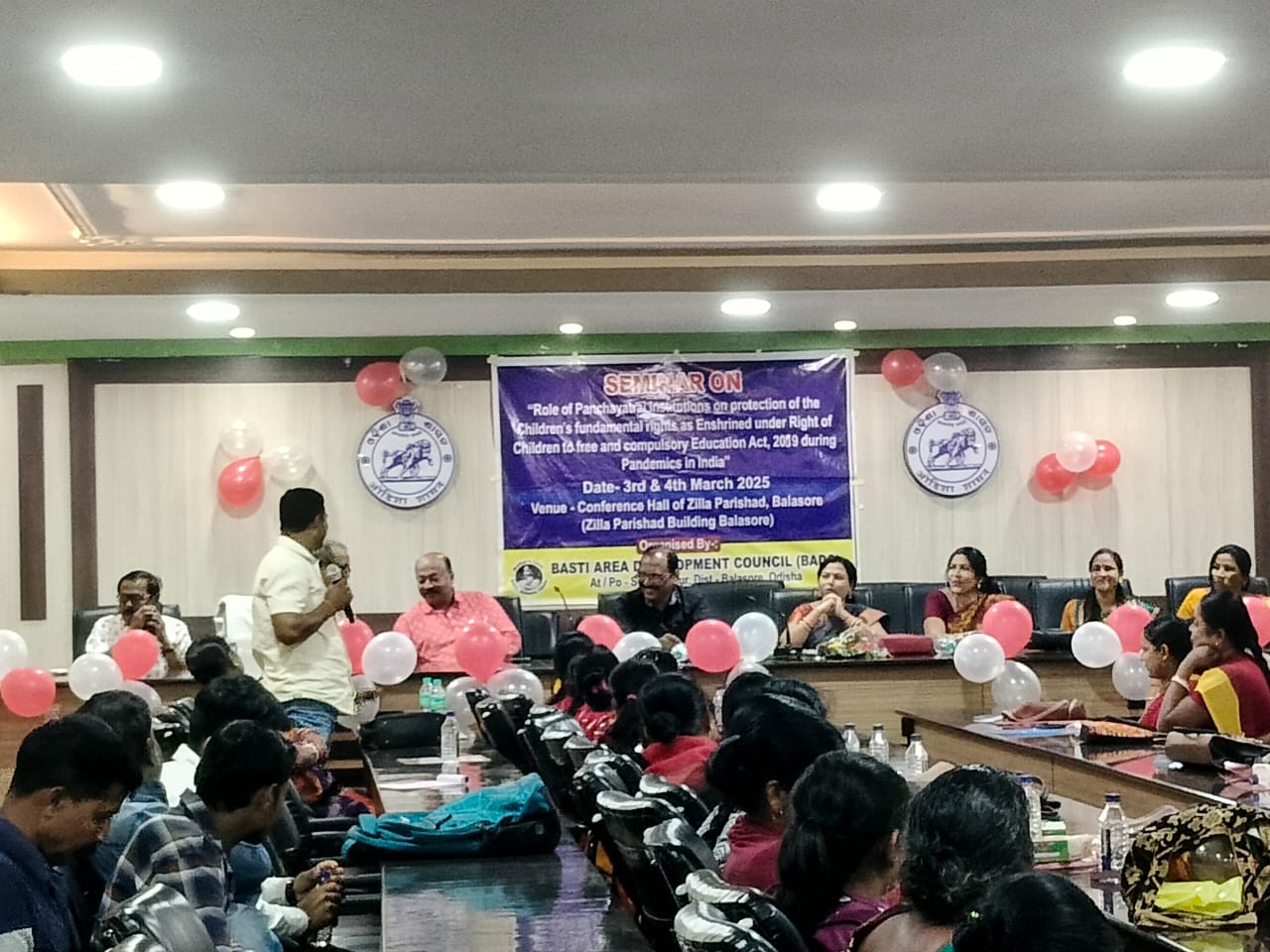
SMC members – Participants are asking question in Question hour session in the Seminar.
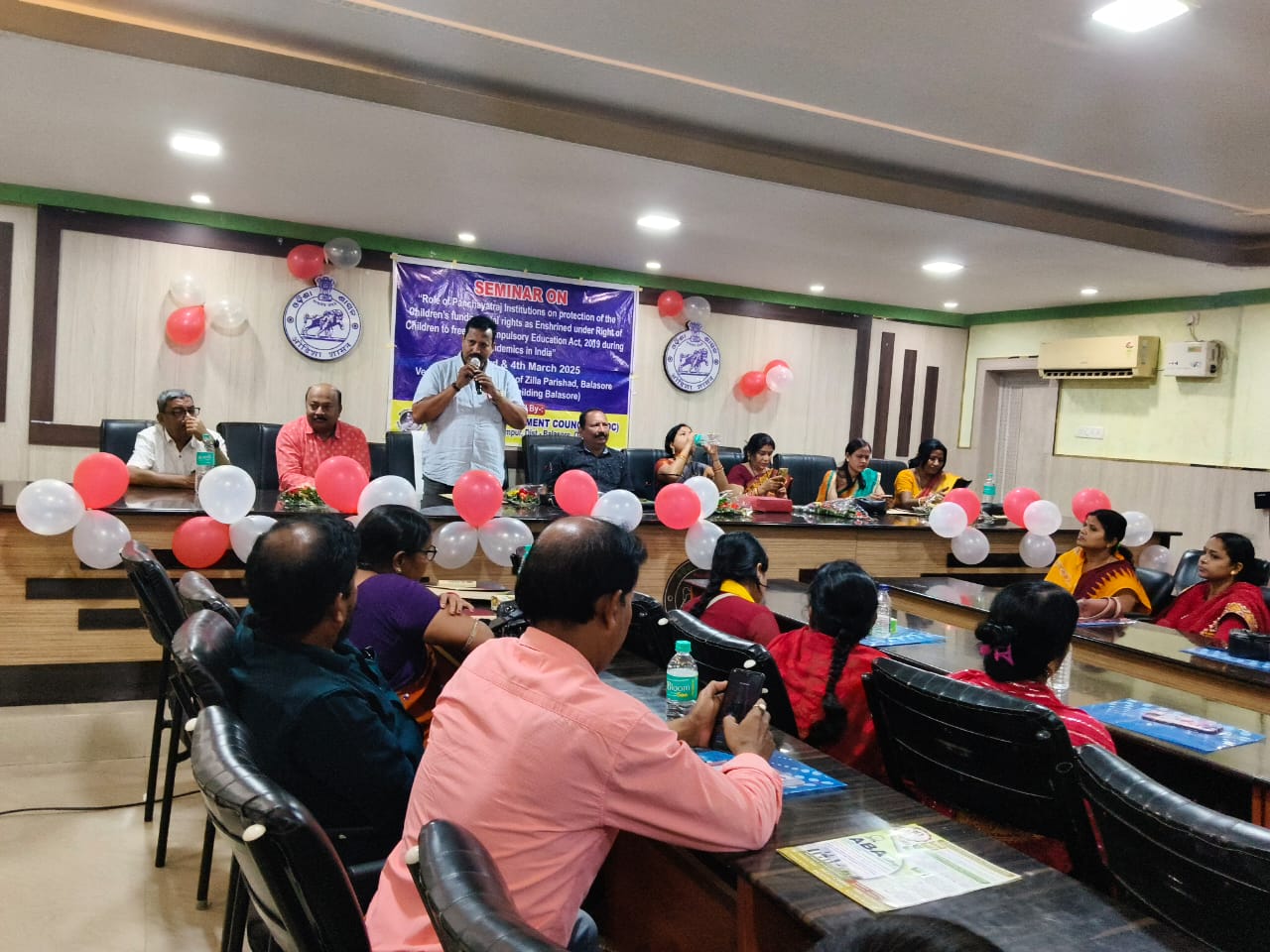
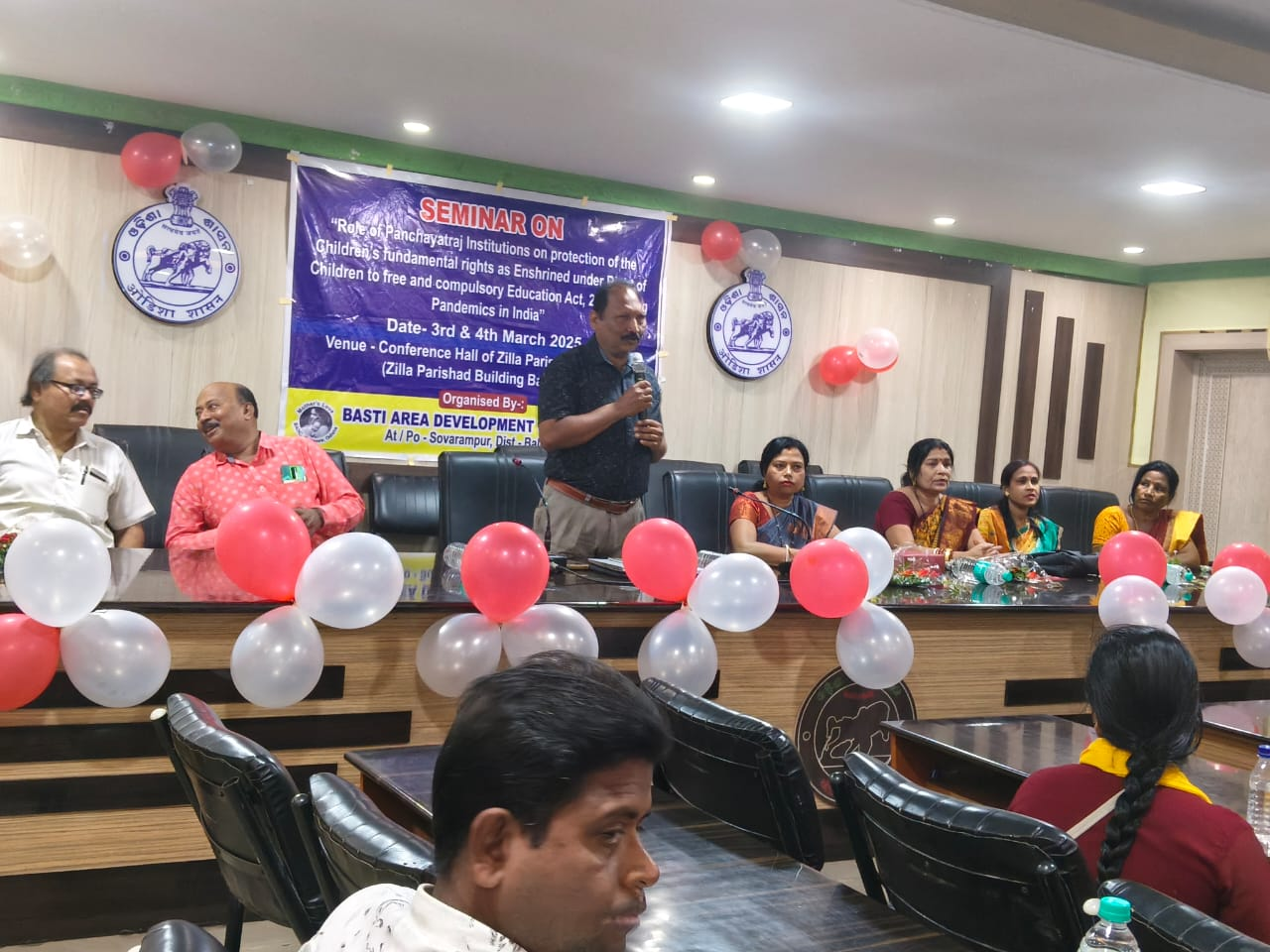
Sri Gouranga Mohapatra-Resource person is giving reply to the question asked by the Participants in Question hour session .
The concerned CRCC should decide when to form the SMC and inform the standing committee about the date of formation. The concerned Sarpanch, Ward Member of the standing committee, and concerned BEO have to be present during the selection process.
The Head Master is the Convener of the SMC. The Chairperson and Vice Chairperson are selected from among the parents. If the Chairperson is male, then the Vice Chairperson will be female and vice versa.
The Chairperson is selected by all the parents in the school using a voting system.
SDP is not properly prepared. There are several unnecessary questions mentioned in the SDP format.
There is a provision in RTE to provide seasonal hostels for children of migrant families. These hostels are now open in western Odisha. The Labour Department requires more applications from the district authority to open similar new hostels wherever necessary.
The two-day seminar provided a valuable platform for discussion, collaboration, and knowledge-sharing among policy-makers, PRI members, educators, and community leaders. It emphasized the need for PRIs to take a proactive role in ensuring effective implementation of the RTE Act and highlighted key areas for improvement in education policy and local governance.
The recommendations developed during the seminar will be forwarded to the National Institute of Educational Planning and Administration (NIEPA) and other relevant authorities for further consideration and policy development.
